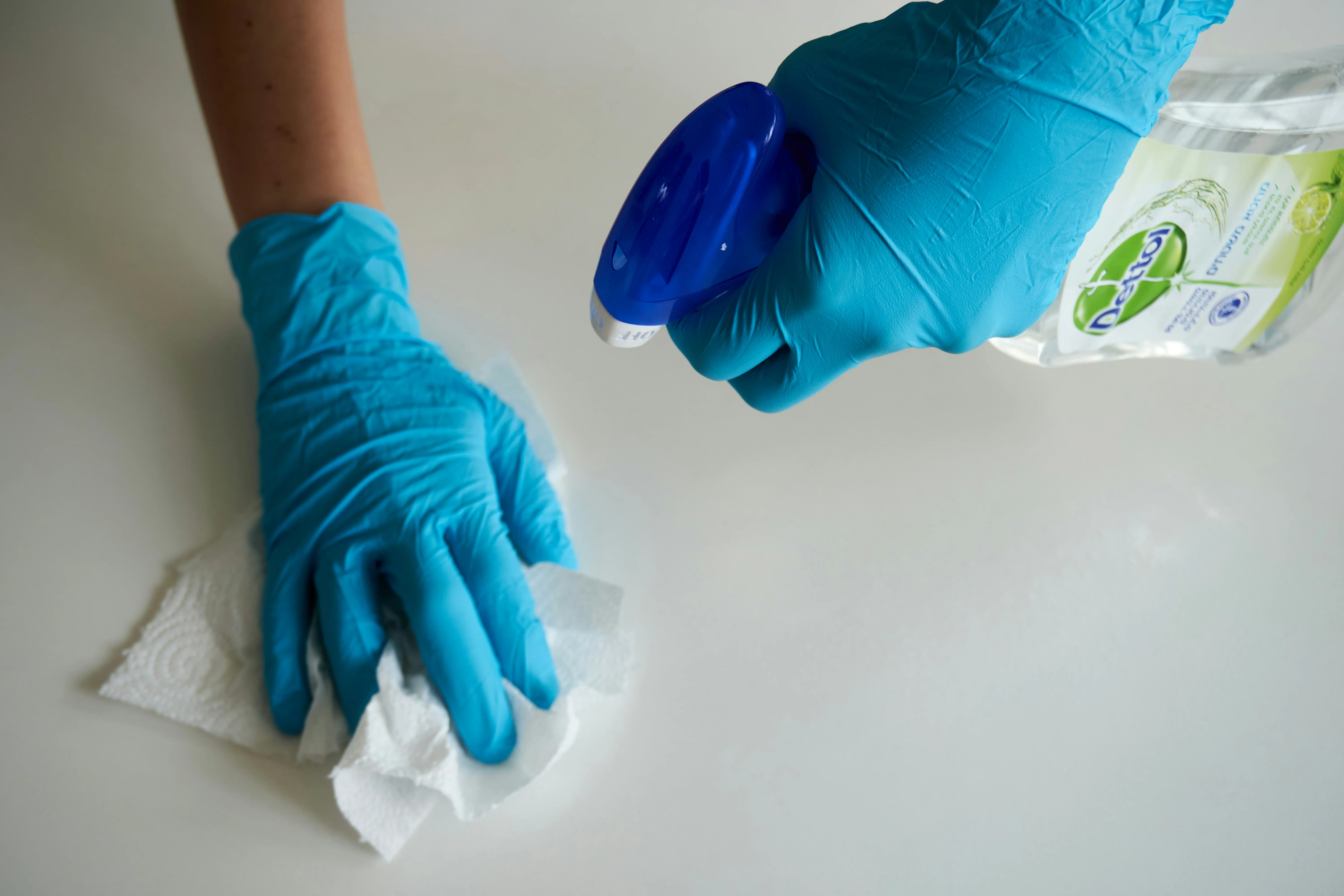
Cleanliness
Cleanliness means:
In short, cleanliness means maintaining cleanliness or purity.
The word cleanliness has a very broad meaning; it describes the concept of cleanliness, from personal hygiene to the environment, city, country, and world.
Where Cleanliness Begins
The general idea of where cleanliness begins can be interpreted as starting from the following places:
- It starts with the mind and habit (Mindset & Habit) from the individual's perspective.
- Habit formation builds on individual perspective and practice.
Cleaning generally starts from two main areas:
- Inside Out
- Outside In
Sanitation According to the World Health Organization (WHO)
According to the World Health Organization (WHO), sanitation is a very broad and central concept. The organization considers sanitation in the following areas:
- It is considered a fundamental human right.
- They think of it as a central force for disaster and disease prevention.
Examples:
- Communicable diseases: Such as plague, food poisoning, cholera, and airborne diseases
- Non-communicable diseases: Such as some cancers and diseases linked to chemical hygiene and use
- WHO believes that sanitation is a key component of the overall health and development of a community.
Health and Economic Problems Caused by Poor Sanitation
Let’s look at some studies and statistics to understand the health and economic problems caused by sanitation:
- Infant mortality
- According to the World Health Organization (WHO) and the United Nations Children's Fund (UNICEF), sanitation is the second leading cause of child mortality. Nearly 525,000 children under the age of 5 die from it every year.
- A very simple cleaning routine can reduce health risks by up to 40% (WHO, 2023).
- World Bank study (2016): It is estimated that global economic losses exceed $260 billion. This can lead to losses of up to 7% of gross domestic product (GDP) in some areas.
- Studies by WHO and other organizations show that more than 2 billion people in the world lack basic sanitation services.
In Short
Studies confirm that cleanliness should be maintained and that hygiene problems:
- Child mortality is increasing worldwide
- It spreads infectious diseases at a high rate (up to 40–50%)
- It harms countries by reducing economic development
- It is believed to create significant pressure, increasing inequality issues (especially for women and children)